Posts
Can Compassion and Connection Translate Online?
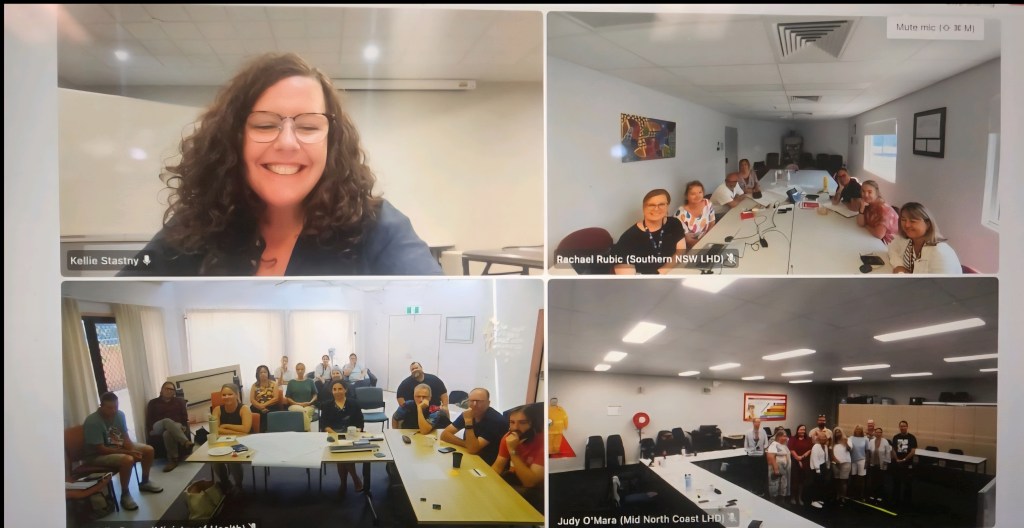
February this year marked another milestone in my training journey as I delivered Trauma-Informed and Compassionate Ways to Understand and Work With Voices and Compassion Under Pressure over two days to participants across three regional NSW locations: Ballina, Kempsey, and Goulburn.
What made this experience particularly significant was that it was delivered online.
When so much of my work centres around connection, relationship, shared reflection, and creating spaces where people feel safe enough to be curious and vulnerable, I wondered whether the essence of the training would translate through a screen. Could the conversations still feel meaningful? Could people still engage deeply with ideas around voices, trauma, compassion, and practice? Could genuine connection still emerge despite the physical distance?
The answer, it seems, was yes.
This training was made possible through a tremendous collaborative effort involving dedicated staff from the NSW Ministry of Health, Pathways to Community Living Initiative (PCLI), and three wonderful in-room facilitators; Judy, Katherine, and Danielle, who had previously attended my training in person and generously supported participants at each location. Their warmth, commitment, and willingness to help create engaging learning environments played a significant role in the success of the experience.
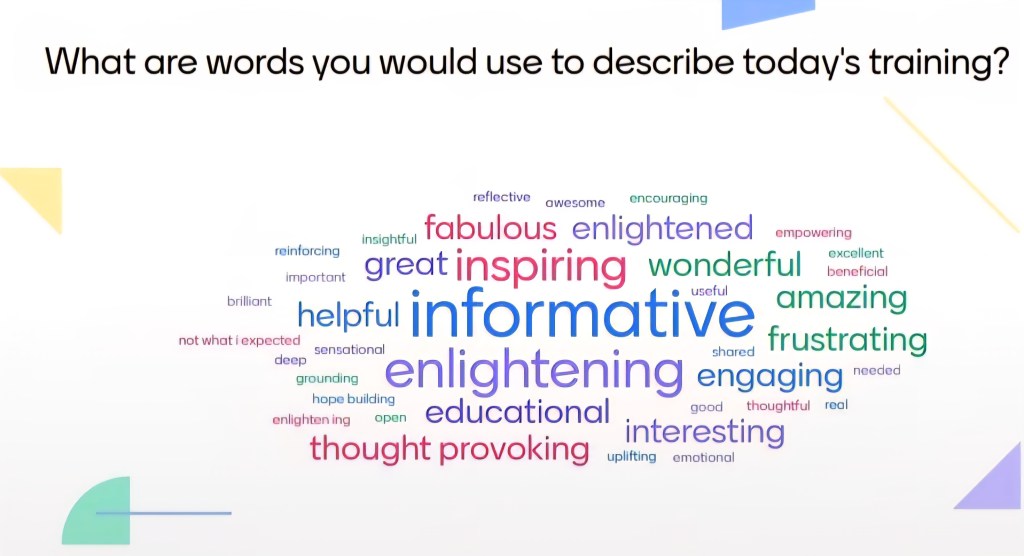
One of the things I found most encouraging was the feedback from participants. While many expressed that being together in person would have been the only thing that might have enhanced the experience further, the overwhelming response was that the training retained its impact online. The conversations remained thoughtful and reflective. Participants engaged deeply with the material, asked courageous questions, and shared insights from their own practice and experience.
For me, this was an important reminder that while physical presence can add something special, meaningful connection is not limited by geography. When people come together with openness, curiosity, and a willingness to learn, powerful conversations can happen anywhere.
Every opportunity I have to facilitate this work feels like a privilege. I never tire of creating spaces where people can think differently about distress, voices, trauma, and compassion. Spaces where lived experience knowledge sits alongside professional expertise. Spaces where learning is shared rather than delivered.
As I continue to expand these training opportunities, I’m excited by what this experience has shown is possible. The ability to deliver meaningful, relational, and impactful training online opens opportunities to reach more services, more communities, and more people who are seeking compassionate and trauma-informed approaches to understand and work with voices.
And, as always, I’m grateful to continue this adventure with my best friend by my side, sharing the laughs, the reflections, the travel stories, and the moments that make this work so deeply rewarding.
I’m looking forward to seeing where this journey leads next.
Posts
Creating Space for Compassionate Conversations
Last year, a long-held dream became a reality.
In partnership with Pathways to Community Living Initiative (PCLI), NSW Health, and the NSW Ministry of Health, I had the privilege of developing and delivering my own training programs on a much more regular basis. What began as an aspiration to share my lived and professional expertise more broadly evolved into a year of meaningful conversations, connection, learning, and growth.
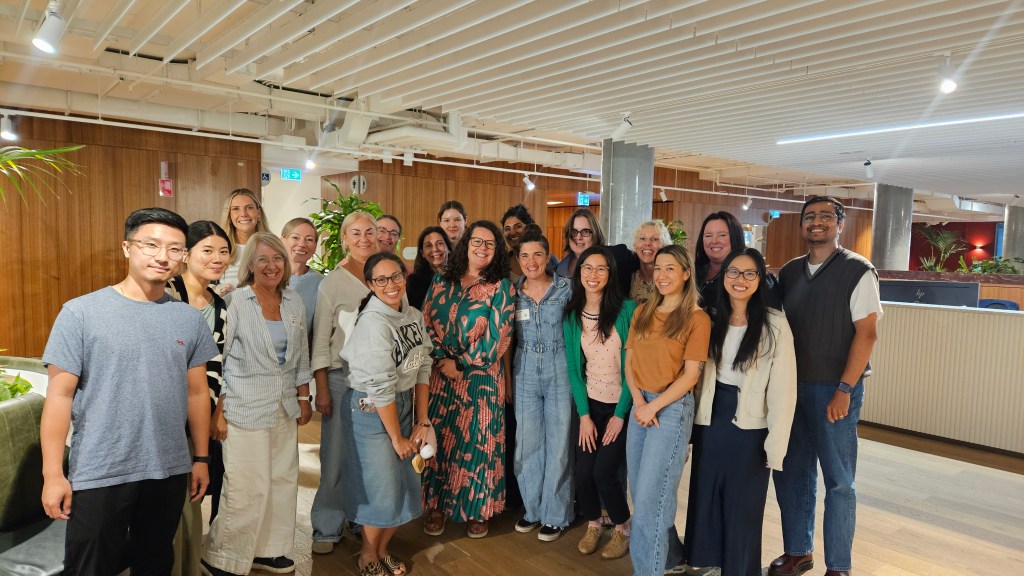
Throughout the year, I facilitated Trauma-Informed and Compassionate Ways to Understand and Work With Voices and Compassion Under Pressure across 11 Local Health Districts throughout New South Wales. With online delivery planned for additional regional districts, the opportunity to reach even more practitioners in regional and rural settings.
Stepping more fully into the work I feel called to do, not occasionally, but consistently, has been deeply fulfilling. There is something incredibly meaningful about bringing together lived experience, professional knowledge, and a passion for creating more compassionate responses to distress, and shaping these into learning experiences that resonate with others.
What I didn’t anticipate was just how much I would learn along the way.
One of the greatest privileges of this work has been creating space for curiosity. Curiosity about the meaning behind voices. Curiosity about the function voices may serve in people’s lives. Curiosity about the relationship between trauma, distress, and unusual experiences. And curiosity about what becomes possible when we move beyond fear and assumptions and instead engage with people’s experiences through compassion and connection.
These conversations were often thoughtful, courageous, and deeply reflective. Participants brought openness, honesty, and a willingness to challenge traditional ways of thinking. Time and again, I was reminded that learning is never a one-way process. The most powerful moments emerged through shared dialogue, collective reflection, and the willingness to sit together in uncertainty while exploring new possibilities.
A personal highlight was having my ride-or-die alongside me for many of these trainings; my best mate, greatest supporter, truth-teller, belly-laugher, and heart-filler. Sharing this journey with someone who has championed me every step of the way made the experience even more special.
The response to the training was overwhelmingly positive. Many participants spoke about the value of bringing trauma-informed, relational, and compassionate perspectives into their work, with numerous requests for the training to become a mandatory offering across NSW Health. Hearing how these conversations were influencing practice, challenging assumptions, and creating new opportunities for connection was both humbling and encouraging.
As I look ahead, I am excited about creating more opportunities to deliver this training across services, districts, organisations, and teams seeking to deepen their trauma-informed and compassionate practice. There is a growing appetite for approaches that honour lived experience, foster understanding, and support more humane ways of responding to distress, and I am grateful to be part of that movement.
 Kellie Stastny